
Bachelor of Science (BS) and Bachelor of Arts (BA) in Biology
The field of biology is vast. From ecology and genetics to anatomy and neuroscience, biology majors are interested in studying life to discover its variety and characteristics.
This curiosity and desire for learning by doing is embraced by professors who mentor their students and engage them in challenging research and professional development opportunities outside the classroom.
Why Biology at TLU?
Our faculty are committed to excellence in teaching, and at TLU, you’re likely to work with many of the same professors through your college years. This continuity fosters relationships and allows for one-on-one interactions, academic mentorship, and guided learning to help students reach their full potential.
Course Experiences
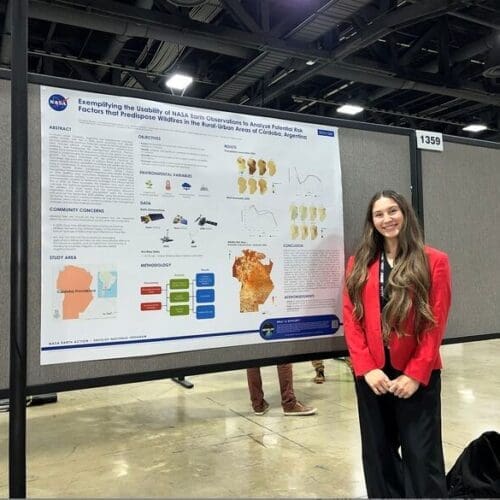
All TLU Biology degrees now include a semester of research, because we believe that to be trained in science means that you need to be exposed to the “doing” of science in the form of scientific research. Biology students are encouraged to take advantage of faculty-mentored undergraduate research opportunities. Every senior participates in a capstone project that may include an original research project, a poster presentation, and an oral presentation that is presented at our Student Academic Symposium in the spring.
Courses students might take include: Biodiversity, Biological Systems, Anatomy & Physiology, Genetics, Microbiology, Neuroscience, Biochemistry, Molecular Biology, Immunology, Cell Biology, Evolutionary Biology, Plant Biology, and Aquatic Biology.
Majors also take courses in chemistry, math, and physics to better understand the full scope of biology and how these areas work together.
From ecology and genetics to physiology and neuroscience, biology majors are actively engaged in medical, environmental, and other sciences vital to our ever-changing world.
Research Experiences for Every Student
As a TLU biology student, research will play a key role in your success. Research opportunities are offered throughout the school year and during our unique eight-week paid summer research program. With full support from faculty, you’ll have the chance to follow your curiosity and conduct research in areas like DNA barcoding, plant and wildlife diversity, and stem cell research.
Degree Plans
Degree Specializations
General Biology: This specialization covers the widest scope of biology, with courses from across the discipline. All biology degrees prepare students for graduate and professional schools, work in laboratories and other scientific endeavors, and teaching (with appropriate certification).
Molecular Biology: This specialization is all about the study of molecules such as DNA, RNA and proteins. Students interested in the health professions often get degrees in this specialization and this includes, but is not limited to, pre-medicine, pre-veterinary, pre-dental, pre-physician assistant, genetic counseling, and other health specialties.
Environmental Biology: This specialization focuses on organisms and their relationships to each other and their environments. Students pursuing careers in ecology, environmental biology, botany, zoology, natural resource management, etc. would take this track.
Degree Plans
Outside the Classroom
The biology faculty believe that completing an internship or research experience helps students to learn more about biology and develop professional skills and an understanding of biology-related careers, while enhancing their applications for jobs and graduate and professional schools. The faculty maintain a network of contacts in various medical schools, graduate schools, and hospitals that enable us to find appropriate internships for our students.
Motivated students will have the opportunity to participate in a variety of internships or research fields to help establish their professional career. We work individually with the students to ensure their success.
TLU Biology Majors Have Had Internships At:
- Guadalupe Regional Medical Center
- UT School of Public Health
- Various medical and dental clinics
- Veterinary clinics
- San Antonio Zoo
- Texas Parks and Wildlife
- San Antonio Medical Center
- UT Health Science Center – San Antonio
- Texas A&M University – Graduate School – Department of Bioengineering
- Joint Admission Medical Program
- Public high schools (biology education)
Our graduates pursue careers in ecology, environmental biology, botany, zoology, and natural resource management. They pursue graduate studies in medicine, veterinary science, dentistry, and other health specialties. They work in laboratories and teach. There are so many potential paths to take—and we’re here to help you get where you want to go
All biology majors develop a broad knowledge of biology and take supporting courses in chemistry, physics, and statistics. All students develop skills in
- using the scientific method,
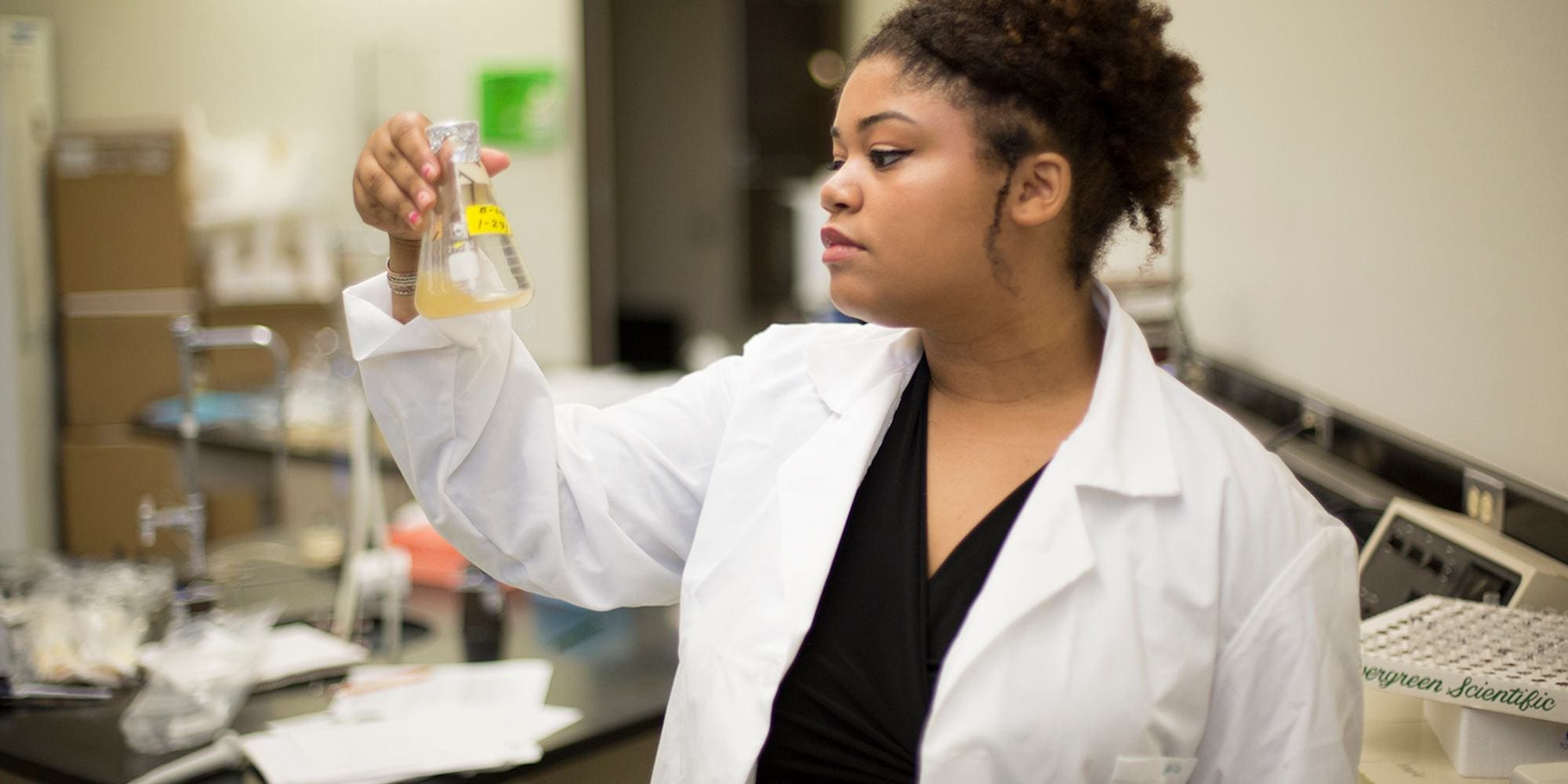
- using laboratory techniques,
- reviewing scientific papers,
- presenting scientific information both orally and in writing, and
- effectively analyzing and presenting numerical information in graphs.
Students in the molecular biology track develop advanced skills in laboratory techniques, while students in the environmental biology track develop advanced skills in field techniques and identification of animals and plants.
Pre-Med or Health-Related Pre-Professional Programs
- Dentistry
- Medicine
- Nursing
- Occupational Therapy
- Optometry
- Pharmacy
- Physician Assistant
- Physical Therapy
- Veterinary Science
Environmental Professions
- Wildlife biology
- Fisheries biology
- Plant ecology
- Natural resources
- Conservation biology
Education
- State certification for grades 7-12 life sciences
Business and Industry
- Pharmaceutical industry
- Environmental consulting
- Health care administration
- Air Force Medical School
- Angelo State Physical Therapy School
- Baylor College of Dentistry
- Baylor College of Medicine
- Baylor University, School of Nursing
- Baylor University, Physician Assistant School
- Blinn College of Nursing
- Dallas Chiropractic School
- Dallas EMT-Paramedic
- Duke University Medical School
- Guadalajara Medical School, Mexico
- MD Anderson Cancer Center-Houston, Laboratory Technician
- Marymont University-Massachusetts, Forensic Science Program
- Medical University of S. Carolina-Charleston, Physician Assistant School
- Midwestern University Physician Assistant School
- New England Optometry School
- Nova Southeastern University Medical School
- Nova Southeastern University Dental School
- Nursing School, San Jacinto College
- Ohio College of Podiatric Medicine
- Ross University Medical School
- St. George Medical School, Grenada
- Southwest Biomedical Research Foundation
- Texas A&M Kingsville, Pharmacy School
- Texas A&M University, Graduate School
- Texas College of Osteopathic Medicine, Ft. Worth
- Texas Women’s University, Nursing School
- Texas Women’s University, Physical Therapy School
- Texas A&M Medical School
- Texas A&M Veterinary School
- Texas Southern University, Pharmacy School
- Texas State University, Hospital Administration MA Program
- Texas State University, Speech Pathology
- Texas Tech Medical School
- University of North Texas, PhD Forensics Program
- University of Colorado Medical School
- University of Houston Pharmacy School
- University Of Houston Public Health
- University of Houston Nursing
- University of Houston Optometry
- University of the Incarnate Word, Pharmacy School
- University of Minnesota Medical School
- University of Puerto Rico Medical School
- University of Texas-Arlington, Chemistry Graduate School
- University of Texas Southwestern Medical School, Dallas
- University of Texas Health Science Center-Houston Medical School
- University of Texas Health Science Center-San Antonio Graduate School
- University of Texas Health Science Center-San Antonio Dental School
- University of Texas Health Science Center-San Antonio Medical School
- University of Texas Health Science Center-San Antonio Nursing School
- University of Texas Health Science Center-San Antonio Physician Assistant School
- University of Texas Health Science Center-San Antonio Physical Therapy School
- University of Texas Medical Branch-Galveston-Nursing
- University of Texas Medical Branch-Galveston Medical School
- University of Texas Medical Branch-Galveston Physician Assistant School
- University of Texas Medical Branch-Galveston Physical Therapy School
- University of Texas Medical Branch-Galveston, MD/PhD
- University of Texas Medical Branch-Galveston, PhD Bioethics
- Western University Pharmacy School, California
- William Cary University, Osteopathic Medicine
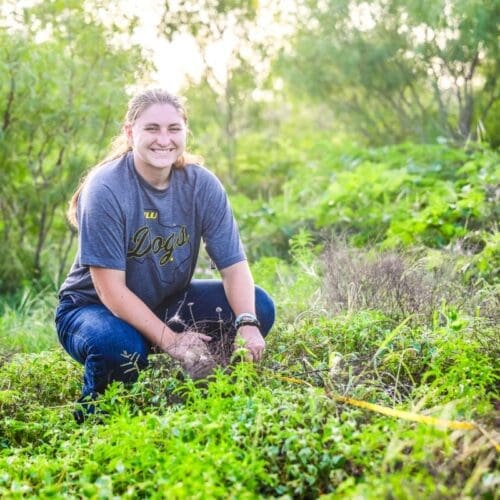
The Weston Ranch is home to diverse plant and animal life, offering acres and acres of possibility—allowing our students a place to explore and study the creeks, prairie, and woods. TLU biology professors and students have been conducting summer research at the ranch, located in nearby Marion, since 2007.
Students can be hired for the summer as paid biodiversity researchers through our grant-funded program at this large ranch only 15 minutes from Seguin. Students document the flora and fauna of the ranch and can develop independent projects to present at scientific meetings. Students can continue their research during the academic year as paid research assistants.
Students can participate in research projects with faculty members, either during the semester or during the summer. Recent projects include:
- Stress-response pathways in bacteria (microbiology/molecular biology)
- Aquatic macroinvertebrates of a spring-fed spring (environmental biology/zoology)
- Isolation of ethanol-producing bacteria for producing biofuels (cell/molecular/microbiology)
- Vascular plants and lichen survey of a local ranch (environmental biology/botany)
- Effects of spinal decompression therapy (biomedical)
- Distribution and abundance of rare mayfly in a nearby lake (environmental biology/zoology)
- Analysis of data from a local school district on relationships between physical fitness and academic achievement (public health)
- Water quality monitoring in a local stream (environmental biology)
- Seasonal changes in mayfly abundance at Lake McQueeney (environmental biology)
- Evolutionary changes in soil bacteria (microbiology)
- Creation of a porcine model for diabetes (physiology)
- Epidemiology and characterization of methicillin-resistant Staphylococcus aureus (microbiology)
Some majors do research in the TLU chemistry department during the summer and are often double majoring in biology and chemistry.
Off-Campus Summer Research
- Programmed cell death in dinoflagellates (marine biology/cell biology)
- Effects of nanoparticles on bacteria of Galveston Bay (marine biology/molecular biology)
- Effects of hyperosmolarity on Vibrio bacteria (marine biology/cell biology)
- Effects of maternal nutrient restriction on mammalian development (physiology)
- Biochemical properties and hemostatic function of plasma-derived vs. recombinant fibrinogen (molecular biology/physiology)
- Maternal and fetal insulin-like growth factors (physiology/molecular biology)
- Role of sensory nerves in the vasoconstrictor response to local cooling in humans (physiology)
- Investigation of a genetic bottleneck in the California treefrog (genetics/environmental biology)
- Mercury in marine fish in the Gulf of Mexico (environmental biology/chemistry)
Seminars
Biology Seminars provide students and faculty an opportunity to learn about the latest research in biology, as well as an opportunity to present their own research and ideas. All biology seniors present a 15-minute seminar in their last year at TLU.
Seminars are usually held at 1 p.m. on Fridays in Moody Science 101.
TLU and University of Incarnate Word (UIW) in San Antonio have memorandums of understanding (MOU) as part of UIW’s Health Professions Pathway.
Students interested in pre-professional health programs often major in Biology, Biochemistry, or Chemistry, although pre-professional students can come from any major. TLU offers pre-professional programs in the following professions:
- Dentistry
- Medicine
- Nursing
- Occupational Therapy
- Optometry
- Pharmacy
- Physician Assistant
- Physical Therapy
- Veterinary Science
Students interested in pursuing careers in these programs work with members of TLU’s Health Professions Committee for individualized advising.